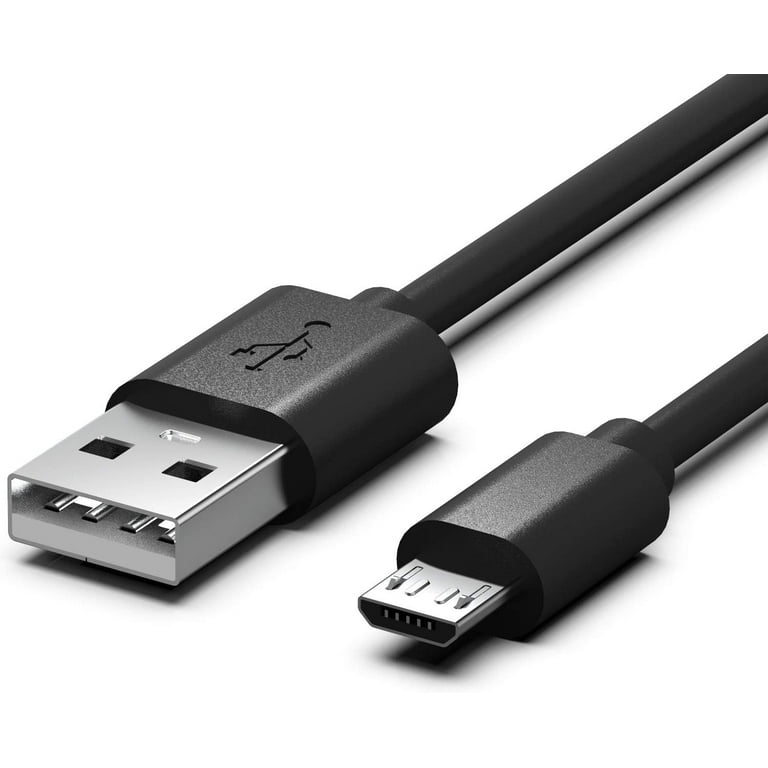
The Science Behind Voltage Variations in Charging Cables
The science behind voltage variations in charging cables is rooted in the principles of electrical conductivity and the materials used in cable construction. Charging cables are composed of multiple conductors that transport electric current from a power source to a device. Each type of cable, whether it's USB-C, Lightning, or Micro-USB, is designed to handle specific voltage levels, which can range from 5V for basic USB chargers to 20V for fast charging applications. Factors such as cable length, wire gauge, and insulation quality play a critical role in determining how effectively a cable can transfer voltage. For instance, longer cables may experience more resistance, leading to a drop in voltage along the line. This phenomenon, known as voltage drop, can affect charging speed and efficiency.
Moreover, voltage variations in charging cables can also stem from the devices being charged. Each device has its own charging circuitry, which can regulate the incoming voltage and affect how it interacts with the cable. To illustrate, some smartphones support fast charging technologies that allow higher voltages and currents, adjusting dynamically based on the cable's specifications. This adaptability ensures that the device receives the optimal voltage while protecting it from potential damage. Understanding these principles not only helps users select the right charging cable but also sheds light on why certain cables perform better than others in various scenarios.
If you're looking to enhance your charging experience, consider exploring the Top 10 Fast Charging USB C Cables. These cables are designed to deliver rapid power transfer, making them ideal for smartphones, tablets, and laptops. With the right cable, you can significantly reduce your charging time and keep your devices ready to go in no time.
What Happens When Charging Cables Overheat: Myths and Facts
When charging cables overheat, several potential risks arise that can compromise both performance and safety. One of the most common myths is that overheating only happens with low-quality cables. In reality, any charging cable can overheat due to various factors, including excessive current flow, damage to the cable, or inadequate ventilation. Understanding the signs of an overheating charging cable is crucial for ensuring your devices remain safe and functional. Symptoms like a warm or hot exterior, frayed wires, or a melted plastic casing should never be ignored.
Another prevalent myth surrounding charging cable overheating is that it only affects the cable itself, but this is not entirely true. Overheating can lead to damage not only to the cable but also to the connected device. Over time, the heat can weaken the internal components of your device or even cause battery swelling or failure. In order to prevent overheating, consider using high-quality cables with proper ratings for your devices and avoid charging in hot environments. Regular inspection of your charging accessories can help you catch potential hazards early.
How to Choose the Right Charging Cable to Prevent Supernova Scenarios
Choosing the right charging cable is crucial in today's tech-savvy world, especially to prevent those dreaded supernova scenarios, where devices overheat, malfunction, or even get damaged. Start by identifying your device's specific charging requirements, such as voltage and amperage. Always opt for cables that are certified and compatible with your devices to ensure safe and efficient charging. Using low-quality or counterfeit cables can lead to a host of issues including faster battery drainage and potential hazards.
Next, consider the material and build quality of the charging cable. Look for cables with reinforced connectors and durable insulation that can withstand daily wear and tear. Flexible, tangle-free cables often provide better longevity and usability. Additionally, check for user reviews and ratings to gauge performance and reliability. By taking these steps, you can confidently choose the right charging cable that minimizes risks and prevents any messy supernova scenarios in the future.